Biology
 Chemistry
 Computer
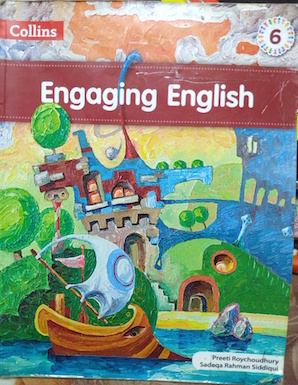
 English
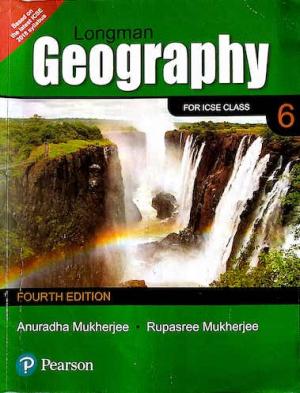
 Geography
 Hindi
Hindi
 History & Civics
 Physics
 Science
Displaying 3 out
of 4
questions & answers.
”Let me see if Philip can
Be a little gentleman
Let me see, if he is able
To sit still for once at table:"
Thus Papa bade Phil behave;
And Mamma look'd very grave.
But fidgety Phil,
He won't sit still;
He wriggles
and giggles,
And then, I declare,
Swings backwards and forwards
And tilts up his chair,
Just like any rocking horse;-
"Philip! I am getting cross!"
See the naughty restless child
Growing still more rude and wild,
Till his chair falls over quite.
Philip screams with all his might.
Catches at the cloth, but then
That makes matters worse again.
Down upon the ground they fall,
Glasses, plates, knives, forks and all.
How Mamma did fret and frown,
When she saw them tumbling down!
And Papa made such a face!
Philip is in sad disgrace.
Where is Philip, where is he?
Fairly cover’d up you see!
Cloth and all are lying on him;
He has pull'd down all upon him.
What a terrible to-do!
Dishes, glasses, snapt in two!
Here a knife, and there a fork!
Philip, this is cruel work.
Table all so bare, and ah!
Poor Papa, and poor Mamma
Look quite cross, and wonder how
They shall have their dinner now.
Heinrich Hoffmann (1809-1894) was a German psychiatrist, who also wrote some short works, including Der Struwelpeter that portrays children misbehaving. This is a poem from the book Struwwelpeter: Herry Tales and Funny Pictures published in 1845 in Germany.
bade : told someone to do something
grave : serious
fret : worry
disgrace : to have lost respect because of bad behaviour
Q1.
Choose the correct option.
- The poem is set in a
- home
- restaurant
- hostel
- function
- The mood of the adults in the poem is
- amused
- exasperated
- scared
- confused
- The one line to summarize the poem could be
- bad manners can be extremely irritating.
- the boy who could not sit still at the dinner table.
- adults who do not teach manners to their children.
- some children can be very funny at the dining table.
S A
M P L E
S
A M P L E
www.bigslate.com
Answer:
S A M P L E
- (a) home
- (b) exasperated
- (d) some children can be very funny at the dining table.
Q2.
Fill in the table with information. One has been done for you.
| Line from the poem | Who do the words refer to? | What was the mood in each event? |
| a. Be a little gentleman | Father to Phillip | Father is angry |
| b. wriggles and giggles, | ||
| c. "Phillip! I am getting cross!" | ||
| d. still more rude and wild, | ||
| e. screams with all his might. | ||
| f. did fret and frown. | ||
| g. look'd very grave. | ||
| h. made such a face! | ||
| i. Fairly cover'd up you see! |
S A
M P L E
S
A M P L E
www.bigslate.com
Answer:
S A M P L E
answer not shownQ3.
Phillip behaves very badly at the table. Give three examples of his poor behaviour.
S A
M P L E
S
A M P L E
www.bigslate.com
Answer:
S A M P L E
- Philip moves backwards and forwards in his chair.
- Philip leaves the glasses, plates, spoon and fork scattered all over.
- Philip cannot sit still at the dinner table.