

Please login to post your comments.
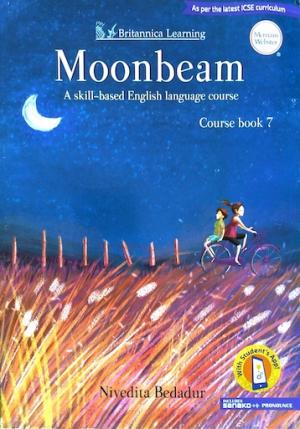
My Native Land
Sir Walter Scott
About Sir Walter Scott
Sir Walter Scott (1771 - 1832) was a Scottish poet and novelist. He suffered from polio as a child. He started studying at the University of Edinburgh at the age of twelve and was exceptionally brilliant. He went on to become a lawyer, and even while keeping up with his writing he practised law.
Breathers there the man, with soul so dead.
Who never to himself hath said.
This is my own, my native land!
Whose heart hath ne'er within him burn' d.
As home his footsteps he hath turn' d
From wandering on a foreign strand!
If such there breathe, go, mark him well;
For him no Minstrel raptures swell;
High though his titles, proud his name,
Boundless his wealth as wish can claim;
Despite those titles, power, and pelf,
The wretch, concentred all in self,
Living, shall forfeit fair renown,
And, doubly dying, shall go down
To the vile dust, from whence he sprung.
Unwept, unhonour' d, and unsung.
Available Answers
- 1.
Answer these questions.
- True renown is achieved by one who
- has great wealth and reputation.
- has lived all his life in his native land.
- has the love and respect of his countrymen.
- A man who shows no feelings towards his country meets
- a painful end.
- an anonymous end.
- a disreputable end.
- True renown is achieved by one who
- 2.
What kind of a person would have a 'soul so dead'?
- 3.
Explain the line 'For him no Minstrel raptures swell'.
- 4.
How would a person who does not love his country die twice?
- 5.
'Whose heart hath ne'er within him burn'd,
As home hi footsteps he hath turn'd
From wandering on a foreign strand!'- Who is the poet talking about here?
- Why should the heart 'burn'?
- What fate does the poet pronounce for the kind of person referred to in these lines?
- 6.
The love for one's country is expressed at different times and in several ways. In times of war, soldiers express their love by standing and fighting in the line of fire. During such times, people who are not soldiers may express their love by pooling in resources to support the cost of war. Some might say that the action of the soldiers is more patriotic than that of the civilians. What do you think?
Have a debate on this topic in class.
3 more answer(s) available.